India’s plastic manufacturing industry has experienced significant growth over the past decade, driven by increasing demand from sectors such as automotive, packaging, electronics, healthcare, consumer goods, and industrial engineering. At the center of this manufacturing ecosystem lies precision tooling — the backbone of consistent, high-volume plastic component production.
Modern tooling solutions are no longer limited to shaping plastic products. Today, advanced mould engineering plays a critical role in improving production speed, minimizing defects, reducing material waste, and ensuring long-term manufacturing efficiency.
Surat has emerged as one of the leading industrial hubs contributing to this transformation. With strong engineering capabilities, advanced machining infrastructure, and cost-effective production, the city has become a preferred destination for businesses looking for reliable tooling solutions.
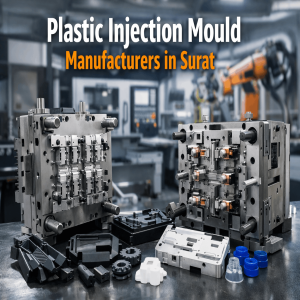
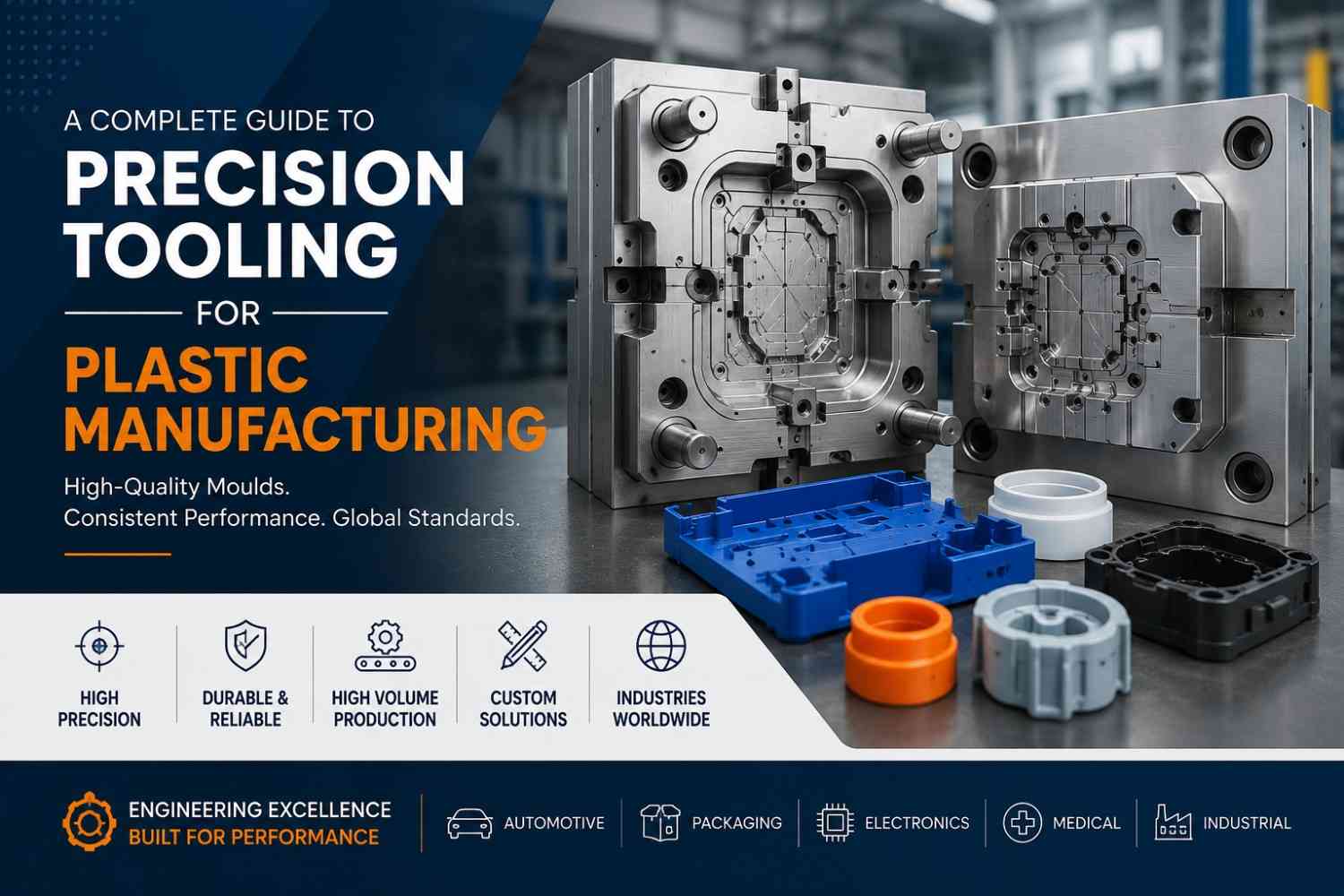
Precision tooling refers to the process of designing and manufacturing high-accuracy moulds used to produce plastic components through injection moulding technology. These tools are typically manufactured using hardened steel or aluminium and engineered to withstand high pressure, elevated temperatures, and repetitive production cycles.
The quality of the mould directly influences:
Product accuracy
Surface finish
Production consistency
Manufacturing speed
Material efficiency
Tool lifespan
Modern manufacturers use advanced CAD/CAM software, CNC machining centers, EDM technology, surface grinding, and heat treatment processes to produce highly durable tooling systems capable of supporting mass production requirements.
India has steadily established itself as a competitive sourcing destination for industrial tooling due to several major advantages:
Indian manufacturers offer high-quality engineering solutions at comparatively lower production costs, making them highly attractive for both domestic and international buyers.
Modern tooling facilities now incorporate:
CNC machining
Wire EDM systems
Precision grinding
CAD/CAM design integration
Automated inspection systems
Controlled heat treatment processes
These technologies ensure tight tolerances and reliable performance even in high-volume manufacturing environments.
Industrial manufacturers often require specialized tooling depending on:
Production volume
Product geometry
Material selection
Automation requirements
Surface finish specifications
Indian engineering companies are well-known for delivering customized tooling solutions that match precise industrial requirements.
The availability of experienced machinists, tool designers, and manufacturing engineers has significantly strengthened India’s industrial tooling capabilities.
Precision moulding technology supports a wide variety of industrial applications.
Manufacturers produce:
Dashboard components
Interior trims
Exterior plastic parts
Electrical housings
Clips and fasteners
High accuracy is essential because automotive parts must maintain dimensional consistency and durability.
Packaging companies rely heavily on precision tooling for manufacturing:
Caps
Containers
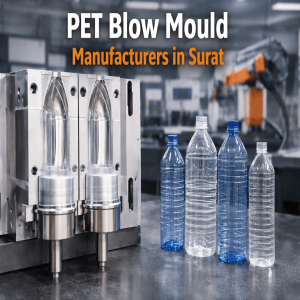
PET components
Closures
Thin-wall packaging products
The ability to achieve fast cycle times is especially important in packaging production.
Precision moulds help manufacture:
Switches
Connectors
Electrical enclosures
Plastic panels
Electronic device housings
These applications require extremely tight tolerances.
Medical-grade plastic components demand superior quality control and repeatability. Precision tooling supports the production of:
Diagnostic device parts
Medical enclosures
Disposable plastic components
Laboratory equipment
Daily-use plastic products often require smooth surface finishes and attractive appearances. High-quality tooling ensures consistent aesthetics and functionality.
Injection moulding is one of the fastest manufacturing processes for producing large quantities of identical components.
Precision tooling ensures that each manufactured component maintains consistent dimensions and quality.
Modern mould designs allow manufacturers to produce:
Thin-wall structures
Intricate geometries
Fine textures
Complex internal features
Optimized runner systems and precise cavity designs help reduce plastic wastage during production.
Although tooling development may involve significant initial investment, high-volume production drastically lowers per-unit manufacturing costs.
Well-designed moulds can operate through millions of production cycles while maintaining performance and dimensional accuracy.
Manufacturers choose tooling configurations depending on production goals and component complexity.
Suitable for:
Low-volume production
Prototype manufacturing
Large components
Designed for high-volume manufacturing where multiple identical components are produced simultaneously.
Hot runner systems improve efficiency by minimizing material waste and shortening cycle times.
These systems are comparatively economical and suitable for many standard production applications.
Insert moulds allow metal or additional components to be integrated into the plastic part during the moulding process.
Surat has become a rapidly growing manufacturing center due to its strong industrial infrastructure and engineering ecosystem.
Key factors contributing to its industrial growth include:
Availability of skilled technicians
Modern machining facilities
Strong logistics connectivity
Competitive manufacturing costs
Fast turnaround capabilities
Export-oriented industrial development
Many industrial buyers now prefer sourcing tooling solutions from Surat because manufacturers in the region can deliver both precision and affordability.
Modern mould engineering is focused not only on product creation but also on improving overall manufacturing productivity.
Advanced tooling helps businesses:
Reduce machine downtime
Improve cycle efficiency
Lower maintenance costs
Increase production output
Achieve better product consistency
Reduce rejection rates
For high-volume industries, even small improvements in production efficiency can generate substantial long-term savings.
Selecting the right tooling manufacturer is critical for achieving long-term production reliability.
Evaluate whether the manufacturer has experience handling:
Multi-cavity systems
Complex geometries
High-volume production
Tight tolerance requirements
Reliable manufacturers should possess advanced machinery and inspection systems.
The durability of tooling largely depends on the grade of steel or aluminium used during manufacturing.
Technical assistance, maintenance guidance, and repair support are important for long-term productivity.
Delays in tooling development can affect the entire manufacturing schedule.
Industrial requirements vary significantly between sectors. A capable manufacturer should be able to provide tailored solutions.
India’s manufacturing sector is expected to witness rapid technological growth in the coming years.
Emerging trends include:
Automation integration
Robotic production systems
Smart manufacturing technologies
AI-assisted design optimization
Sustainable material processing
High-speed production systems
As industries increasingly demand better accuracy, faster production, and lower costs, the importance of advanced mould engineering will continue to rise.
Indian manufacturers are already adapting to international standards and expanding their export capabilities to meet global demand.
Precision tooling has become one of the most important foundations of modern plastic manufacturing. From automotive and packaging industries to electronics and healthcare applications, high-quality mould engineering ensures consistency, productivity, and cost efficiency.
With advanced machining technologies, experienced engineering teams, and strong customization capabilities, India has established itself as a reliable destination for industrial tooling solutions.
Cities like Surat continue to play a major role in this industrial evolution by offering high-precision manufacturing support backed by competitive pricing and modern infrastructure.
Businesses looking to improve manufacturing quality, reduce operational costs, and achieve scalable production increasingly rely on advanced mould engineering to stay competitive in the global market.